Media Player
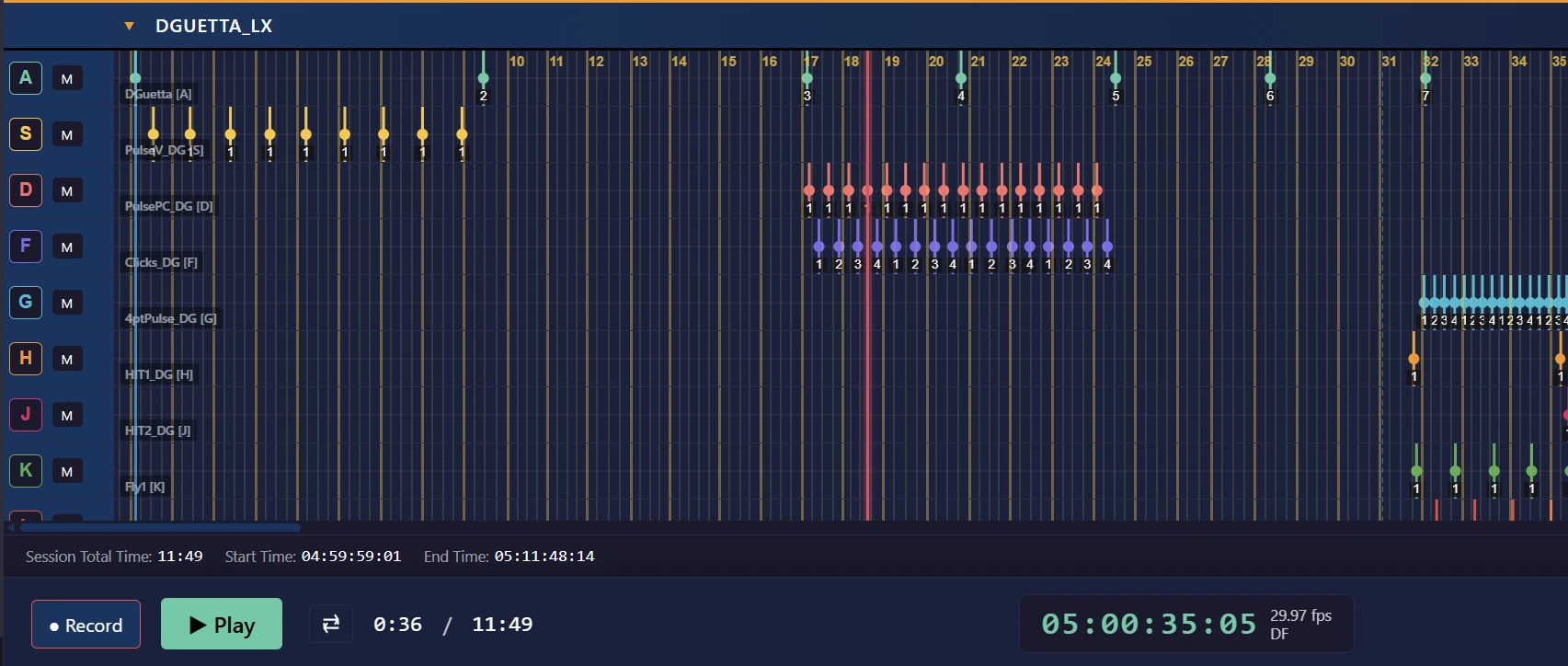
Timecode Native Media Player. We understand Timecode and the tools you need to make it work.
MA Native Timeline. Import/Export MA Timecode XML directly to the desk.
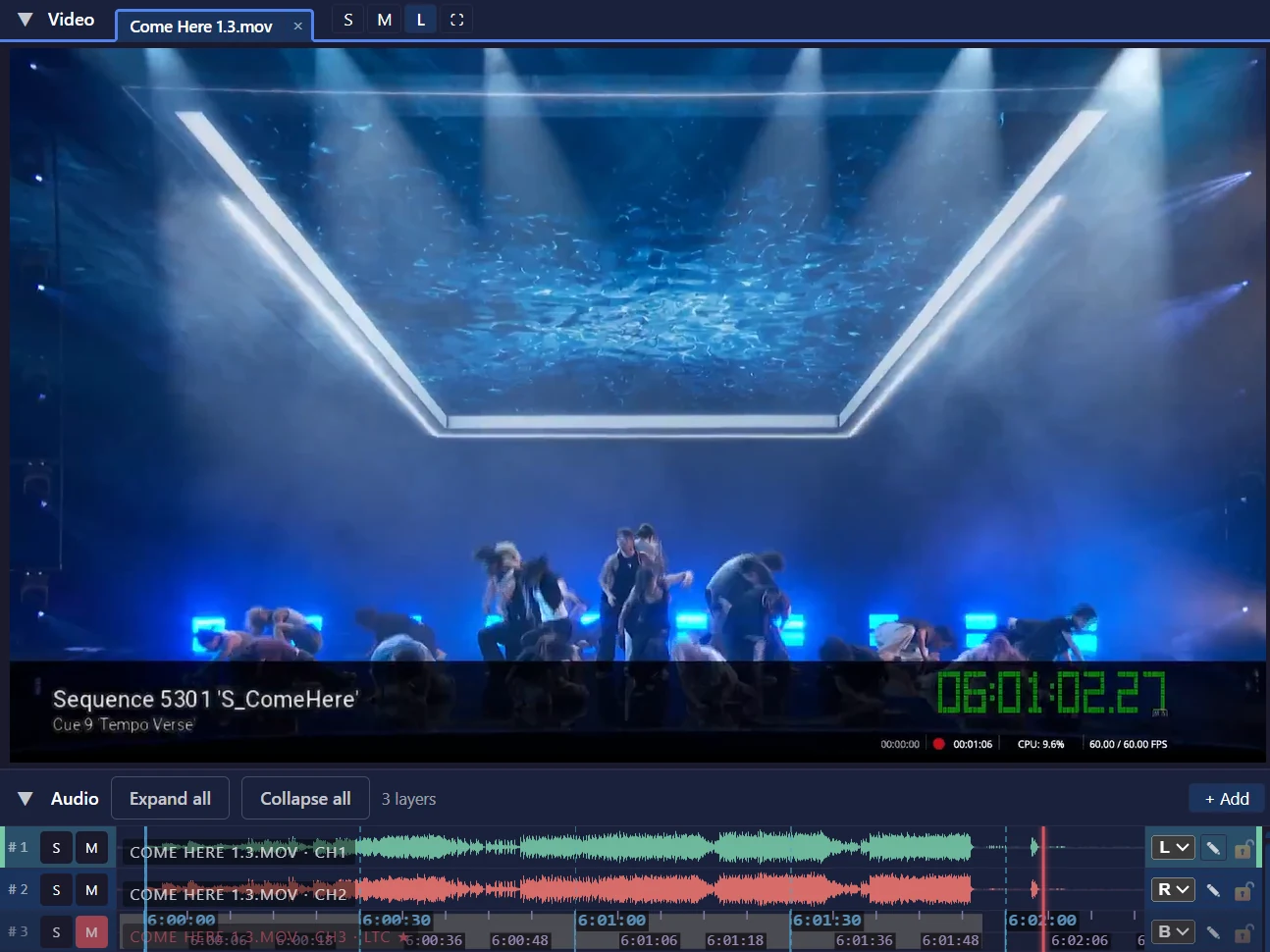
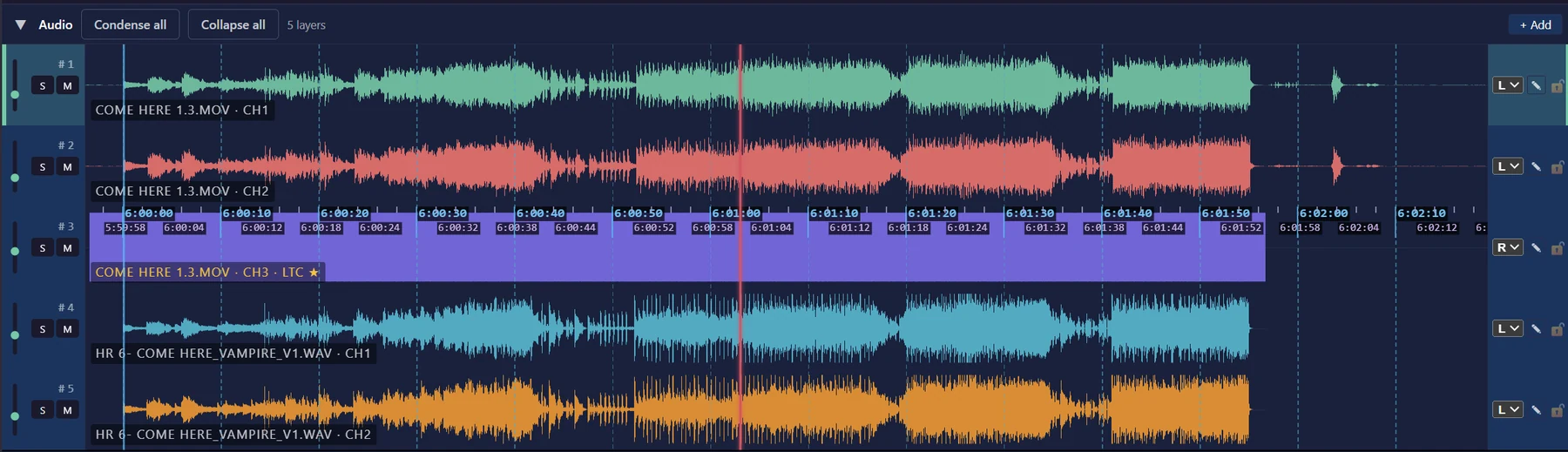
Built for how production rehearsals actually work: half the team wants timecode audio on a third channel, half wants two-channel, half never wants to hear it. One session serves everyone — per-layer audio routing, MA events visible on the timeline, beat grids, region extraction, and record mode that stamps events into layers as you watch.
Replace the three-versions-of-the-same-file problem with one source of truth.
Patch Bridge
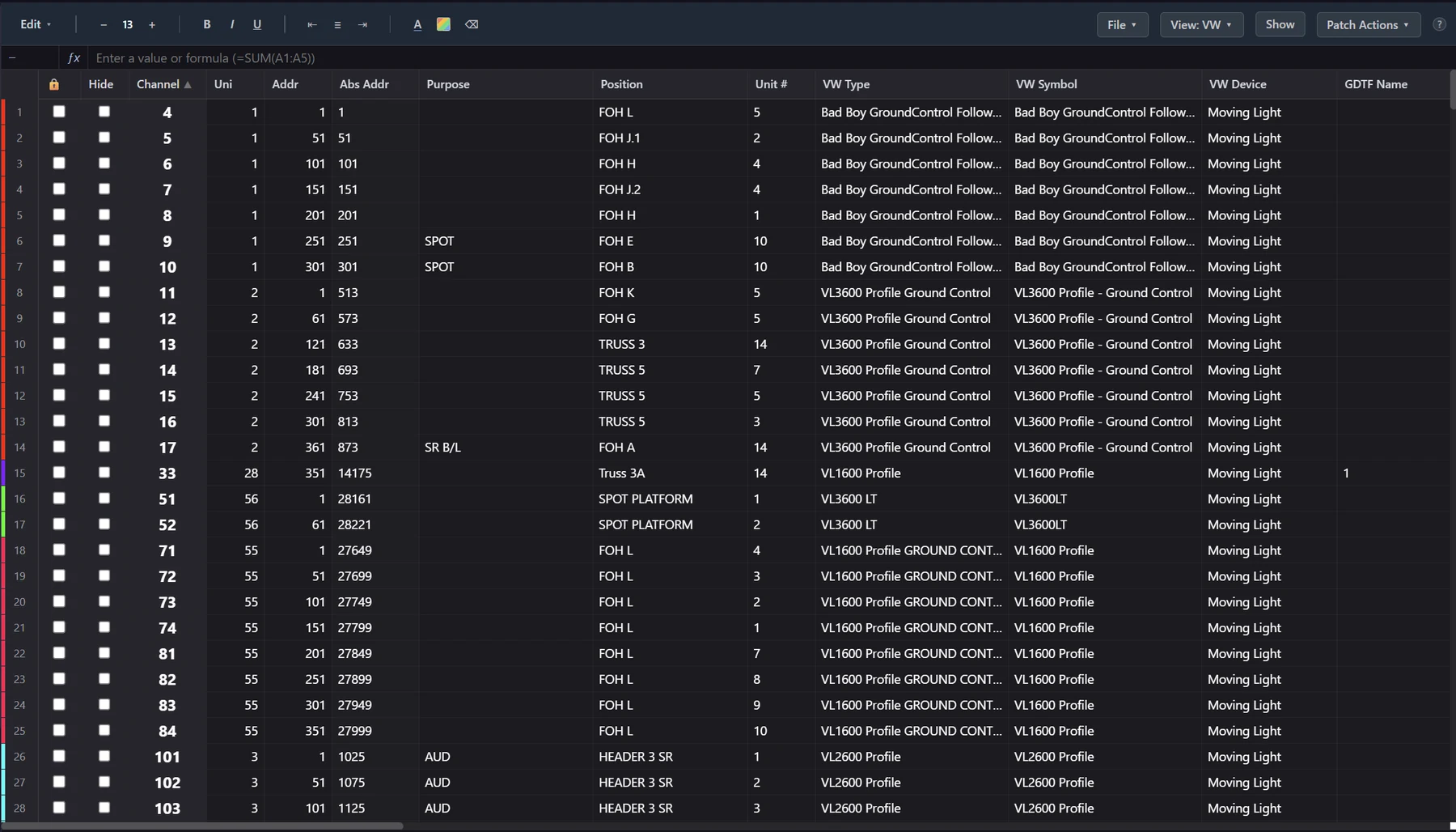
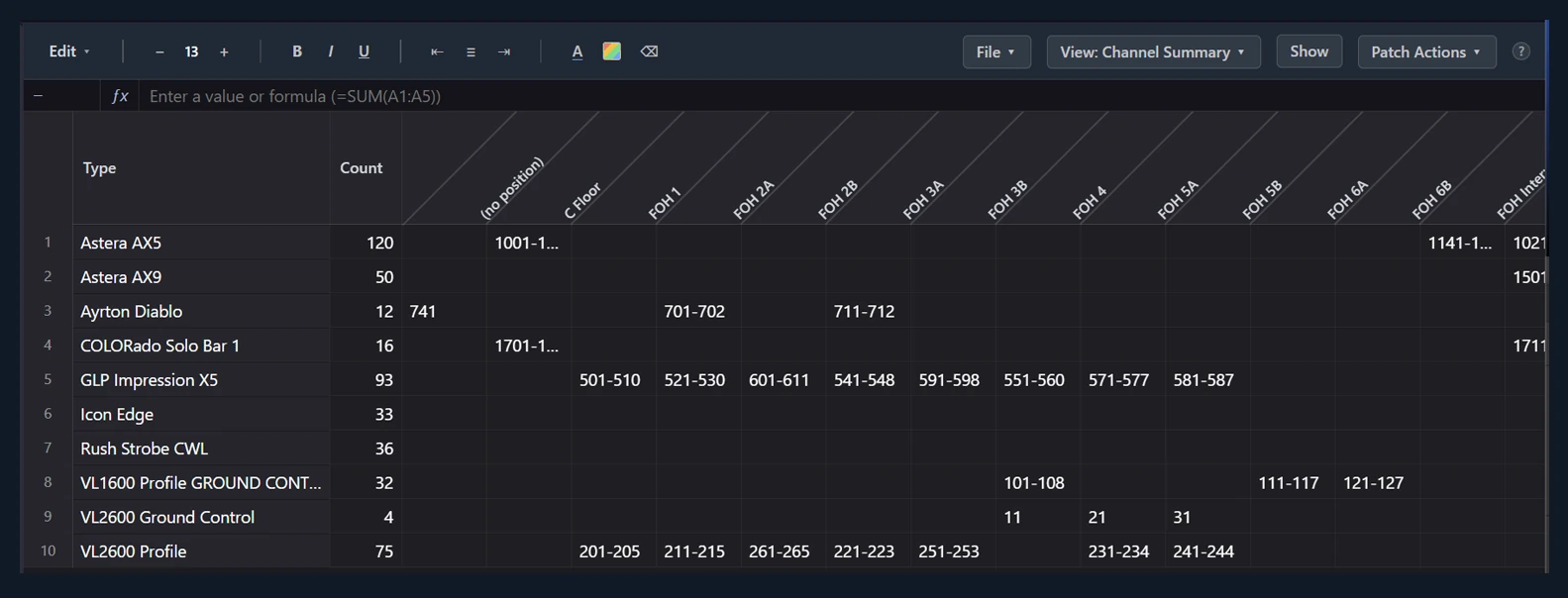
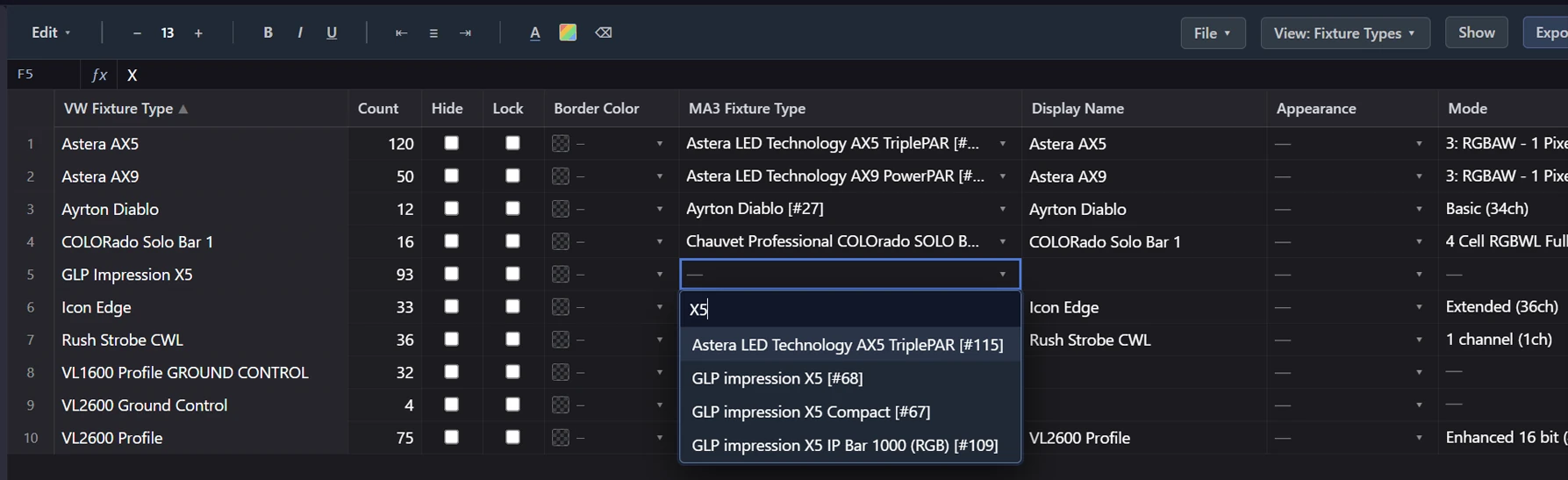
Pull the Vectorworks XML straight into a patch sheet built for lighting data — six views of the same rows, from full patch to channel and DMX summaries.
Auto-fill channels by plot position, auto-address DMX, auto-number units. Match the LD's symbols to real MA3 fixture types, then push a clean, native patch to the console — and write addressing back to the Vectorworks file when you're done.
No MVR. No fake-fixture remap tax.
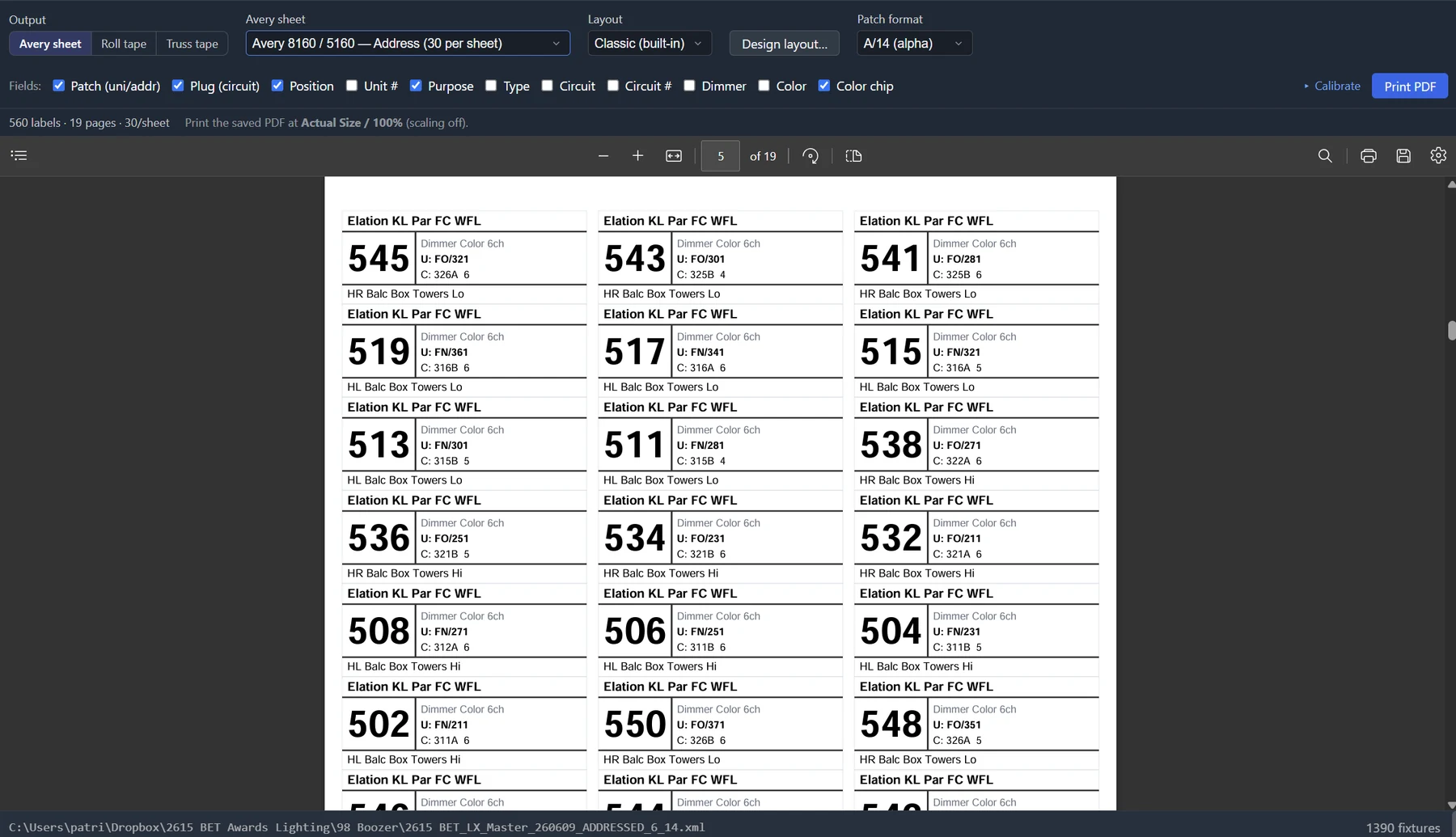
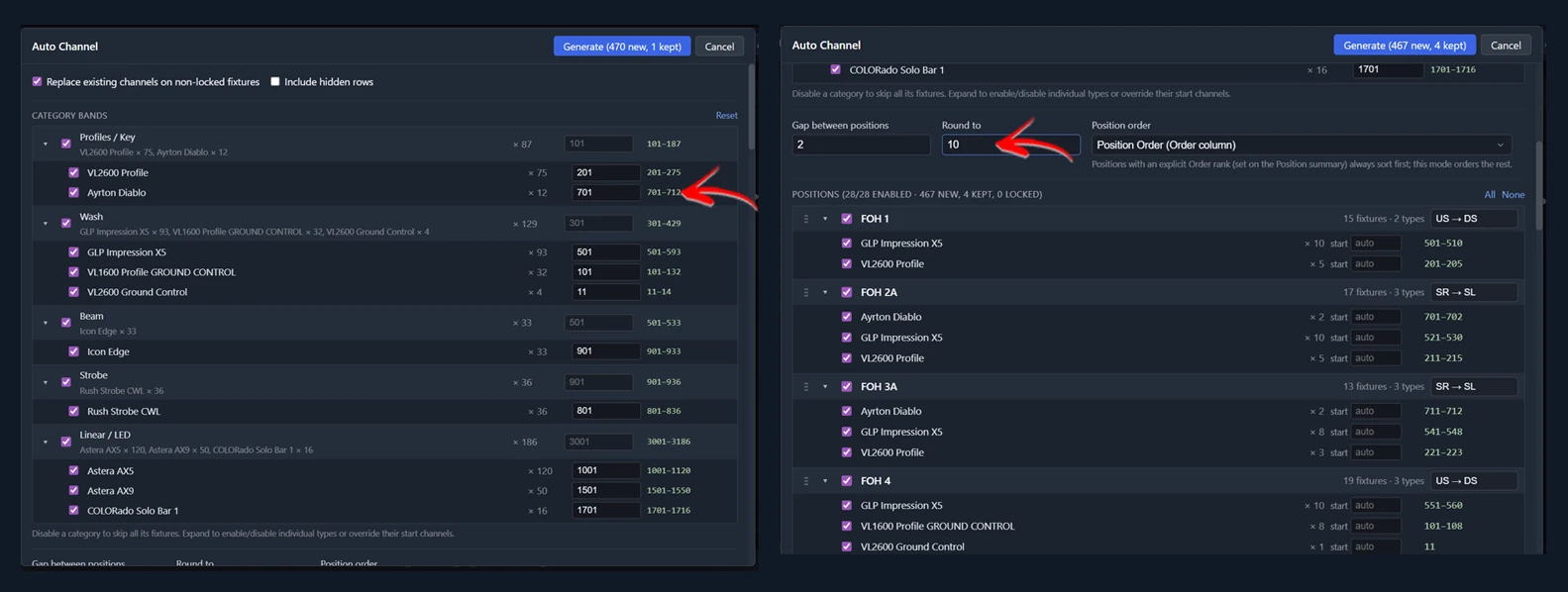
Auto-fill everything
Channels assigned intelligently by where fixtures actually hang. DMX addressed across universes in one pass. Unit numbers that follow the plot, not the import order.
The patch that used to take a team days happens while the coffee is still hot — which means a temporary patch costs you nothing.
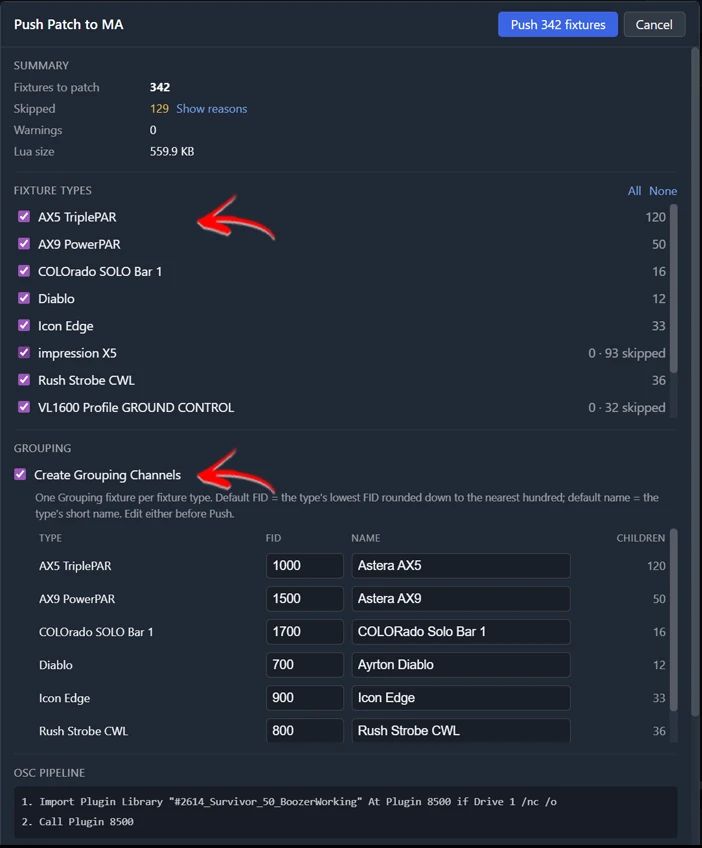
Push to MA3
Preview exactly what will be sent before anything touches the console. VLA speaks native grandMA3 — real fixture types, real patch data, real MA3 XML — over a direct connection to your session.
Cue Sheets
Your cue list already exists — in a Google Sheet, a PDF, the stage manager's paperwork. Ingest the basics, edit in a sheet that understands lighting columns, and push sequences to MA3 instead of typing every cue at the console.
Fixture Tools
MA3 fixture profiles from the outside world are routinely broken, and the 1,024-attribute pool limit will find you eventually.
VLA inspects your show's fixture types, shows you what's wrong and why, and helps you manage the library before it becomes a show-day problem.
Built MA-native
Everything VLA produces is native grandMA3 data — XML the console understands, commands in real MA3 syntax. Deep MA3 knowledge is built into the app, including AI assistance grounded in a curated MA3 reference library — because researching deep MA3 syntax at 2 AM is nobody's idea of programming.